
We’ve all seen the headlines. The Toronto real estate market in 2026 is a different beast than the frenzy of a few years ago. With inventory levels rising and buyers taking a more cautious "wait-and-see" approach, simply putting a sign on the lawn isn't enough anymore (and quite frankly, it hasn't been for years.
When the market slows down, your property isn't just competing with the house down the street; it's competing for the limited attention of a more selective buyer. This is where professional home staging shifts from a "nice-to-have" to a strategic necessity. Whether you do it yourself, or hire a realtor like me that brings in a professional home stager, it can make a HUGE difference!
Preparing your home for Sale
The big 4:
Before the fluffy pillows arrive, the most critical work happens. Think of these steps as the foundation of your sale. Without them, even the most expensive sofa won't save a listing.
1. Decluttering: Clutter eats equity. It makes rooms look smaller and tells a buyer there isn't enough storage. We need to remove the "extra" so the "space" can shine.
2. Depersonalizing: You want buyers to imagine *their* family photos on the mantle, not yours. Removing personal items helps them mentally move in the moment they walk through the door. Sometimes this means not just the photos, but neutralizing any thing you have highly customized over the years, too.
3. Painting: A fresh coat of paint in a warm, modern neutral is the highest ROI improvement you can make. It covers scuffs, neutralizes odors, and makes the whole home feel "new." Or if you want to add a pop of colour, consider a feature wall in a trendy tone.
4. Deep Cleaning: Immaculate presentation is a selling feature. Every baseboard, light fixture, and corner needs to sparkle. Invest in cleaning broadloom, too.
Even if you may have a renovator's dream home (or project property) these steps can go a long way - here's a fixer upper I just sold:
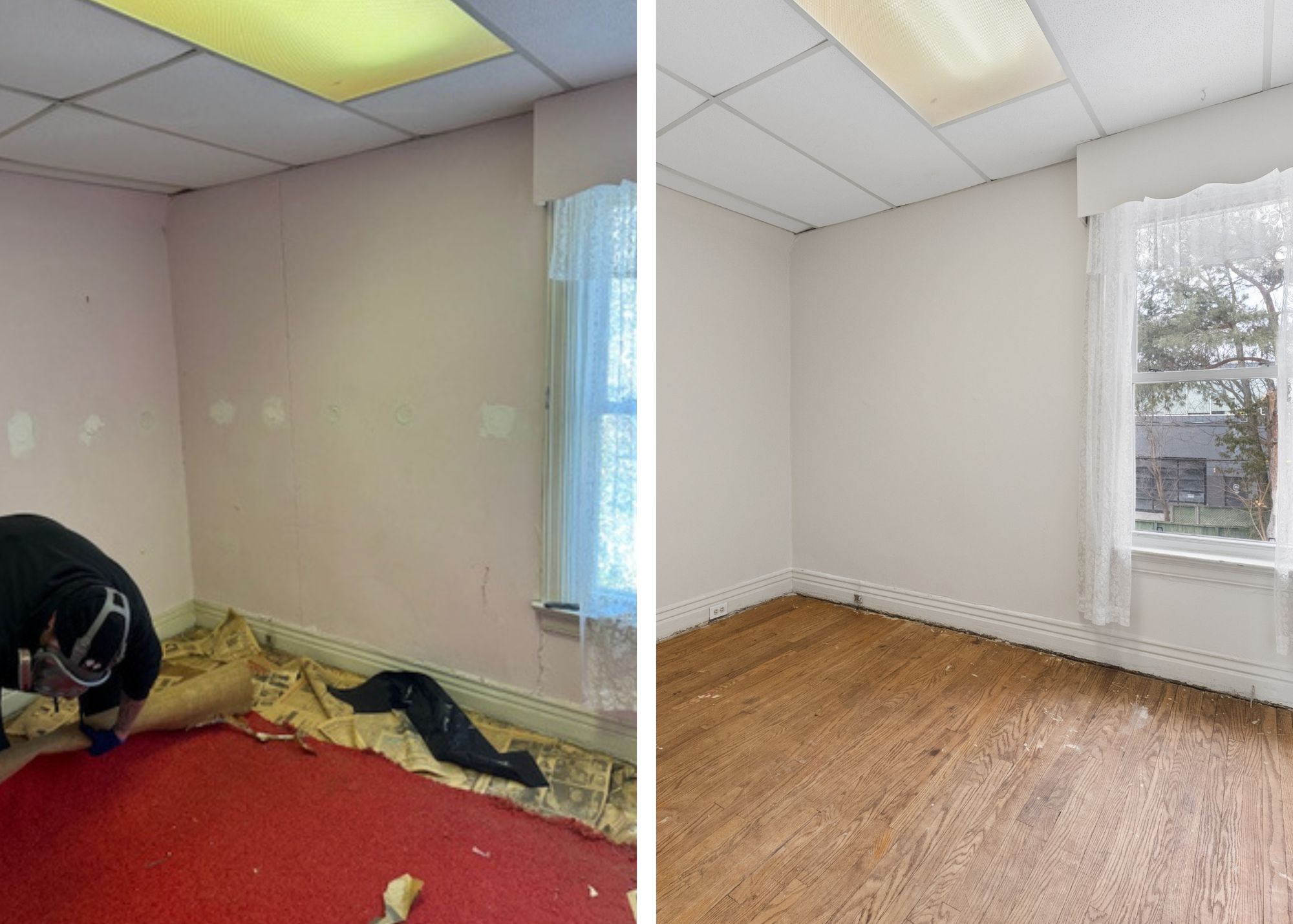
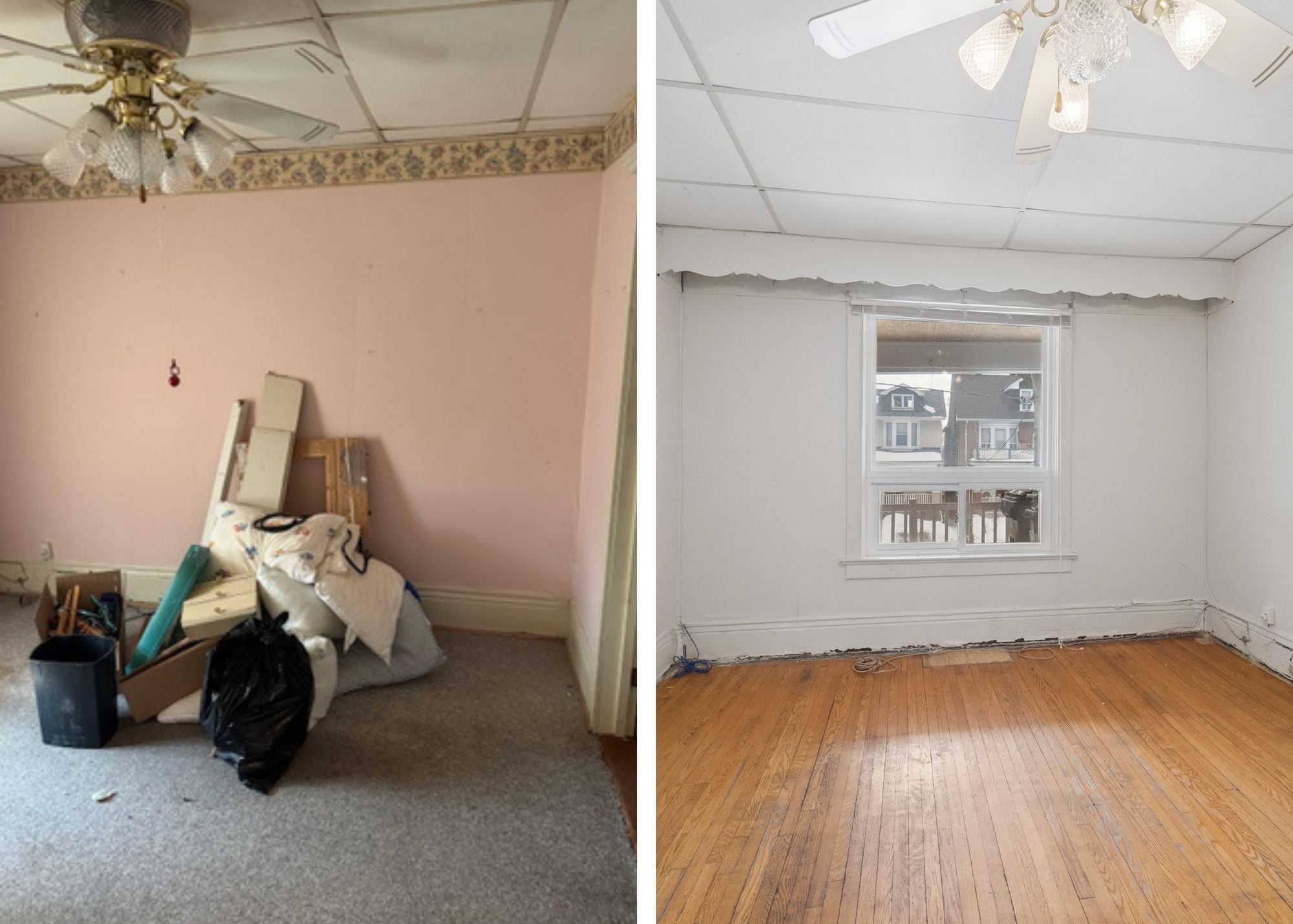
The result? 3 offers the first week on the market.
How Virtual Staging works for Vacant Properties
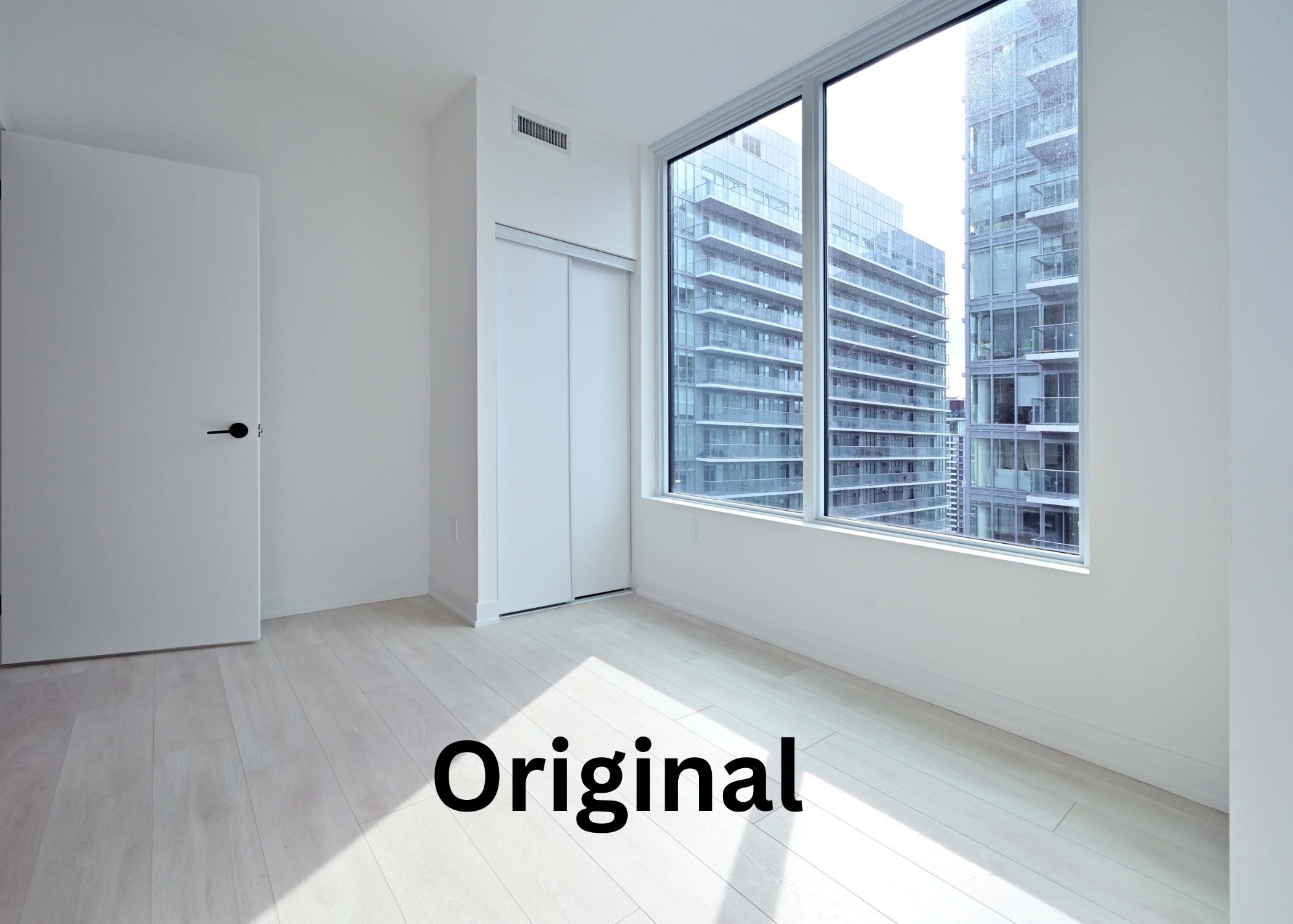
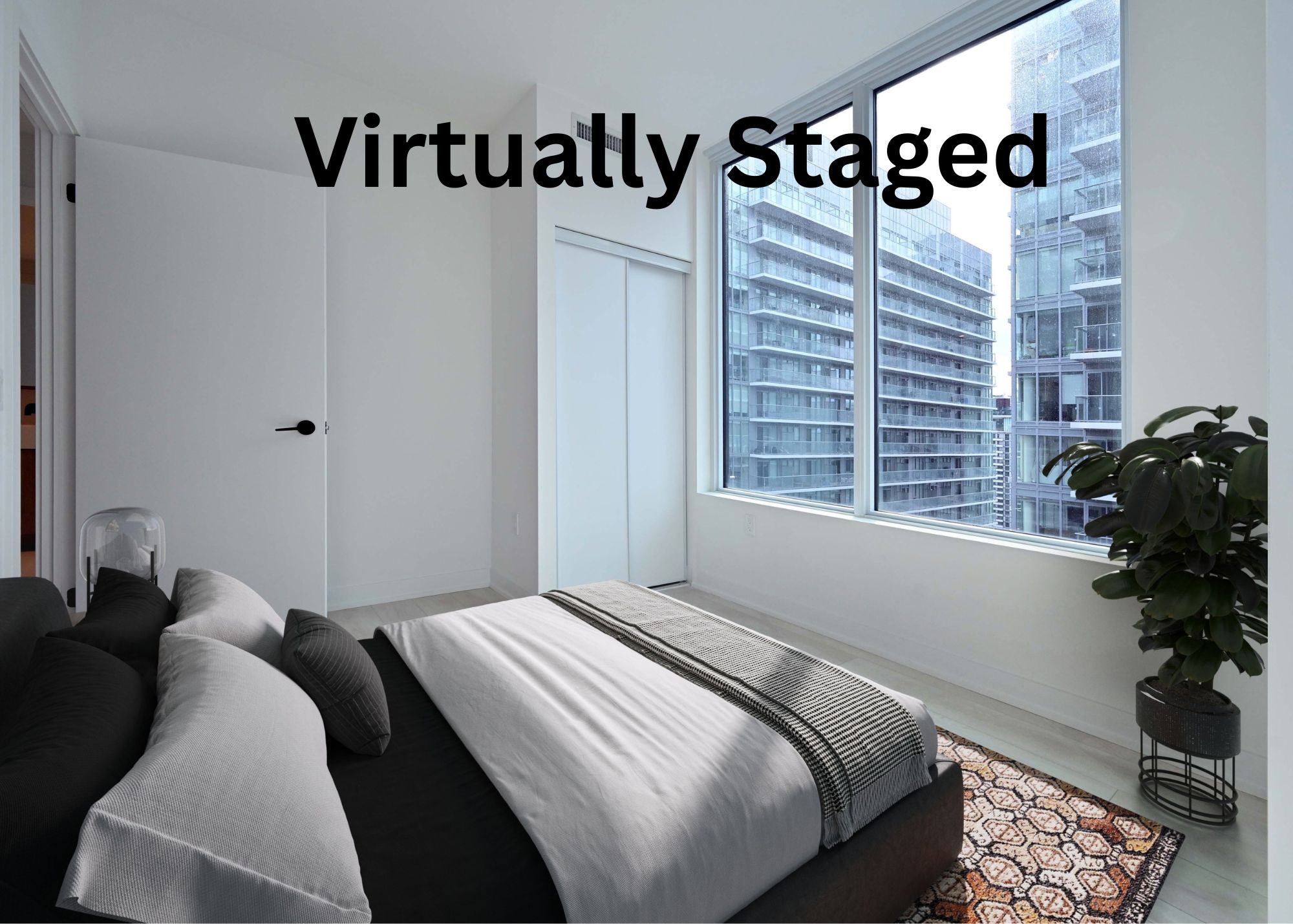
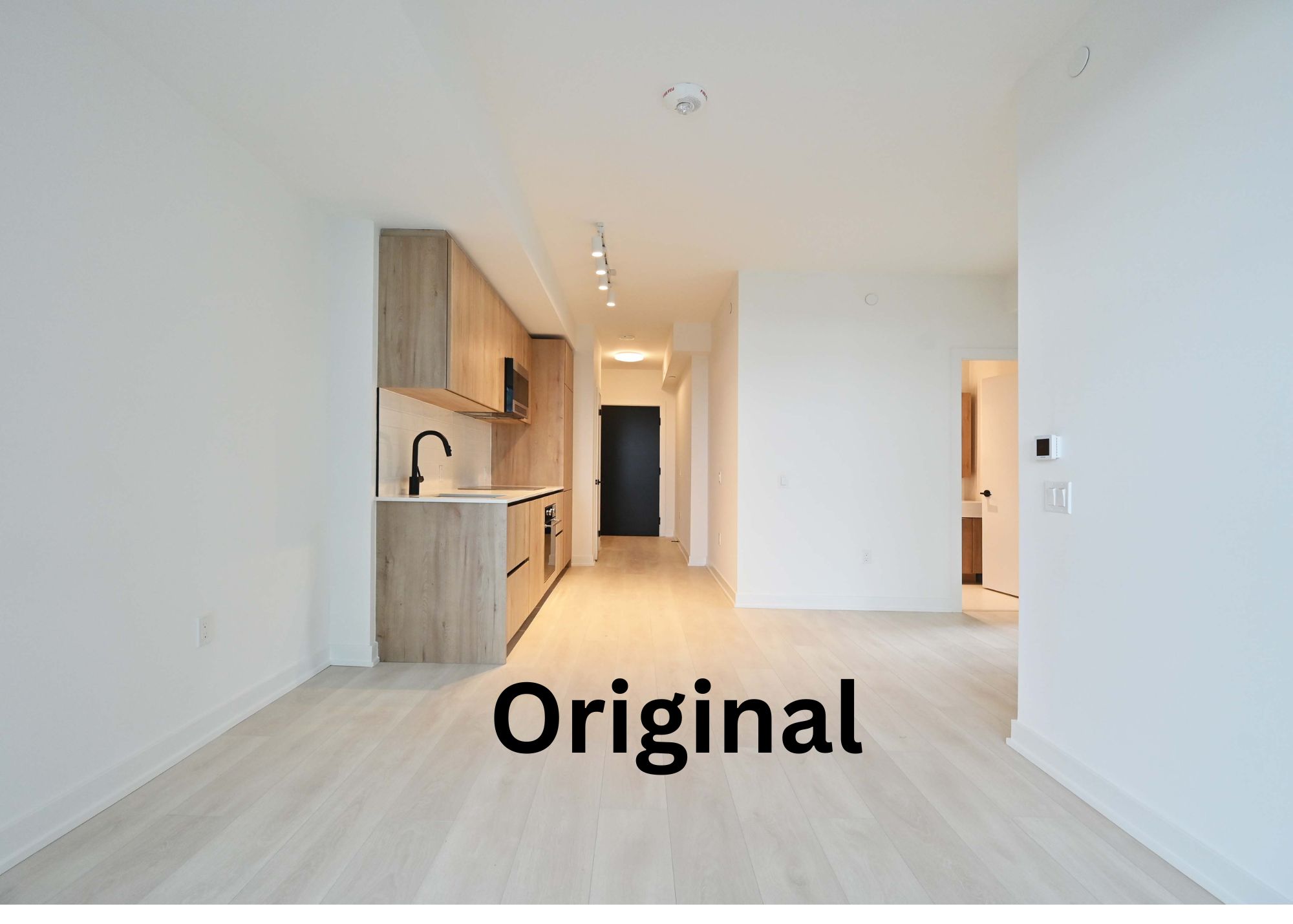
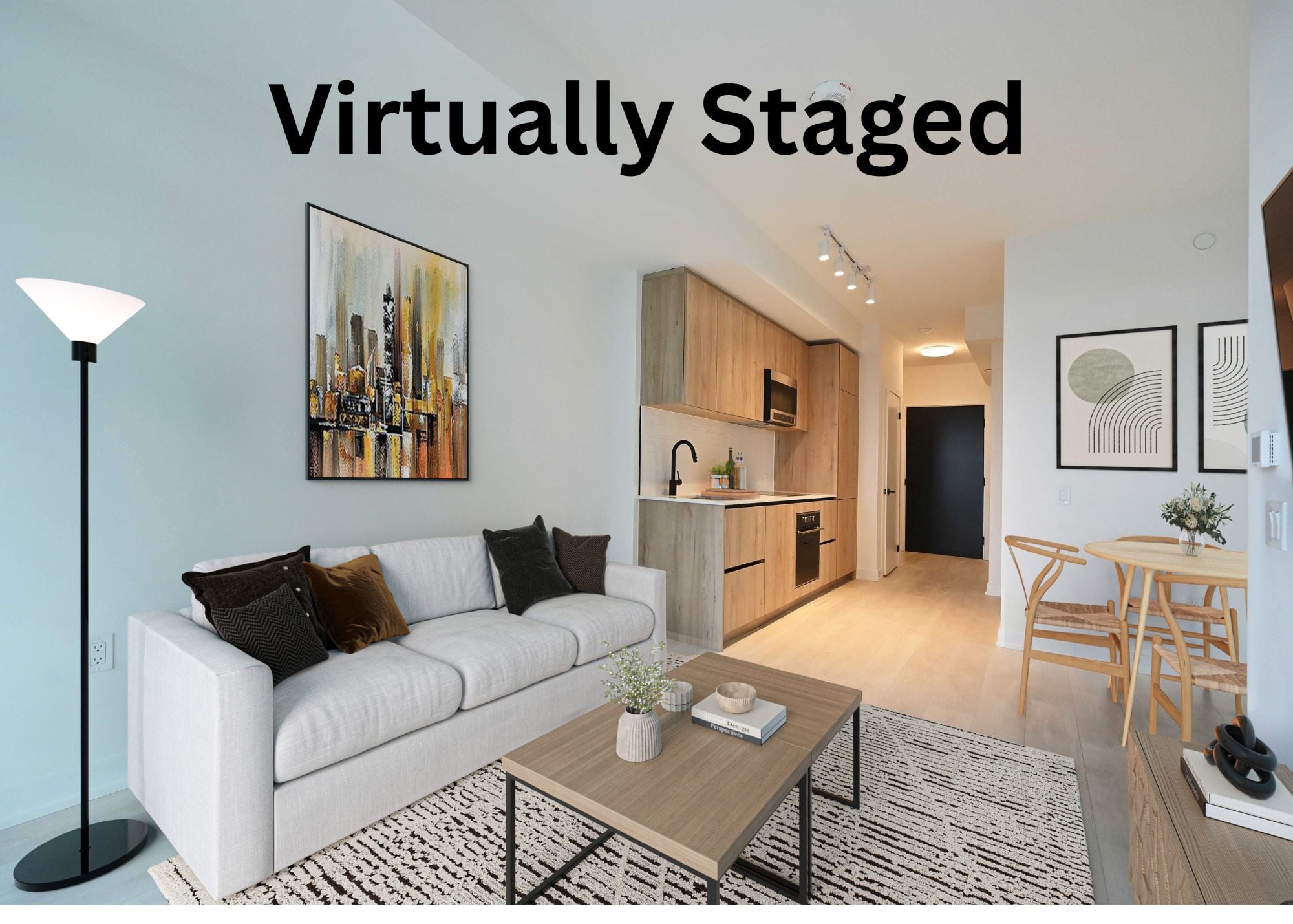
Empty spaces are notoriously difficult to sell. They often feel cold, and ironically, empty rooms actually look **smaller** because there is no furniture to provide scale. And for condos that may be a bit trickier to stage (reserving elevators, etc) virtual staging is a great option.
Virtual staging has become a powerhouse tool in 2026. By digitally adding high-end furniture to professional photos, we can show a buyer exactly how a king-sized bed fits in the primary suite or how a dead corner can become a perfect home office. It’s a cost-effective way to make your online listing—the "first showing"—stop the scroll. Here's a sample of a condo I have just staged.
The Professional Touch: Why hire a Professional Home Stager
While virtual staging is great for the web, the "in-person" experience is what closes the deal. In Toronto, working with a professional staging designer is about more than just moving furniture. First we identify the likely buyer from the typical 4: first time buyer, downsizer, upsizer & investor.
A designer understands the local buyer demographic. They know that a condo in Liberty Village needs a different "vibe" than a bungalow in Scarborough. They bring in curated, high-quality pieces that highlight the home's architectural strengths, downplay its weaknesses & give meaningful purpose to each room.
As your realtor, I collaborate with these designers to ensure the "flow" of the home is intuitive. We want to remove any "work" from the buyer's mind—they shouldn't be wondering where the TV goes; they should be imagining where they’ll host their first dinner party.
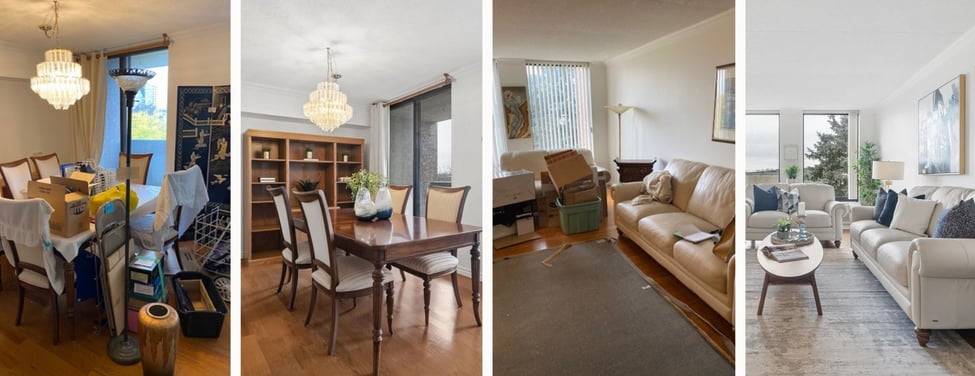
And no, you don't have to remove all your furniture, my stagers work with what you have & update it to reflect the tastes of today's buyers. Here's an example of a recent condo stage:
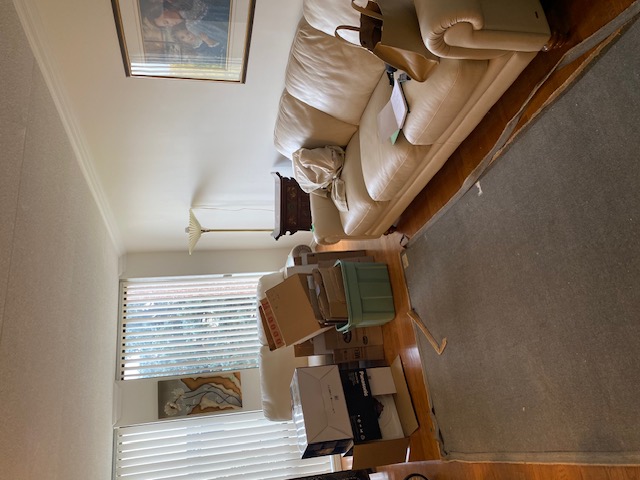
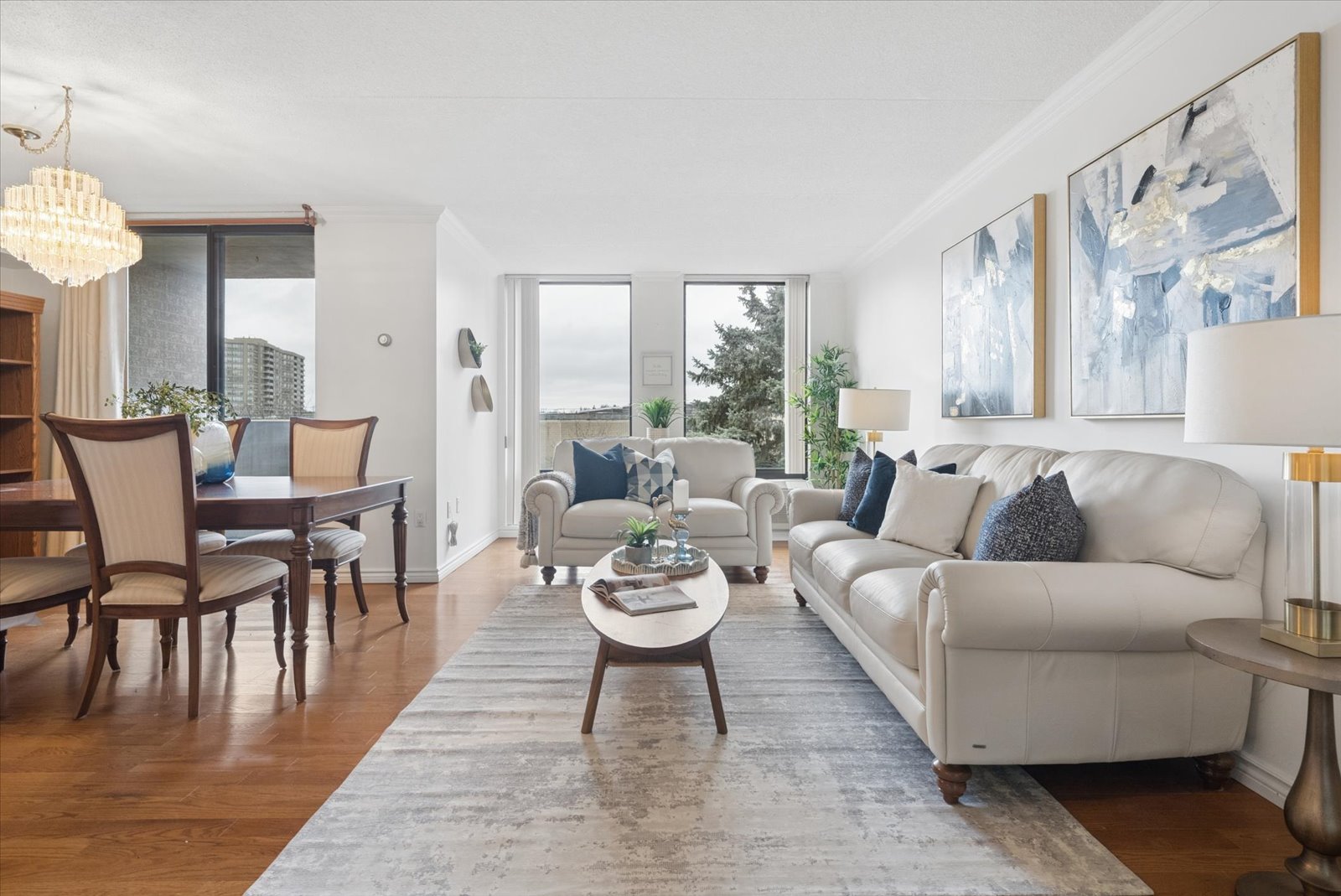
You can see we used the same couches, we repurposed the corner lamp in another room
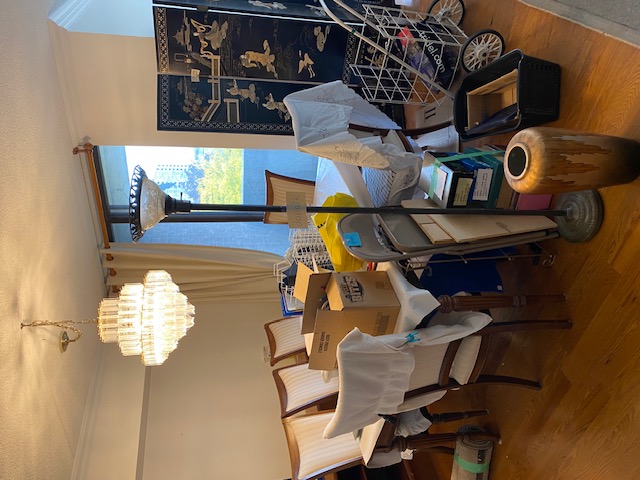
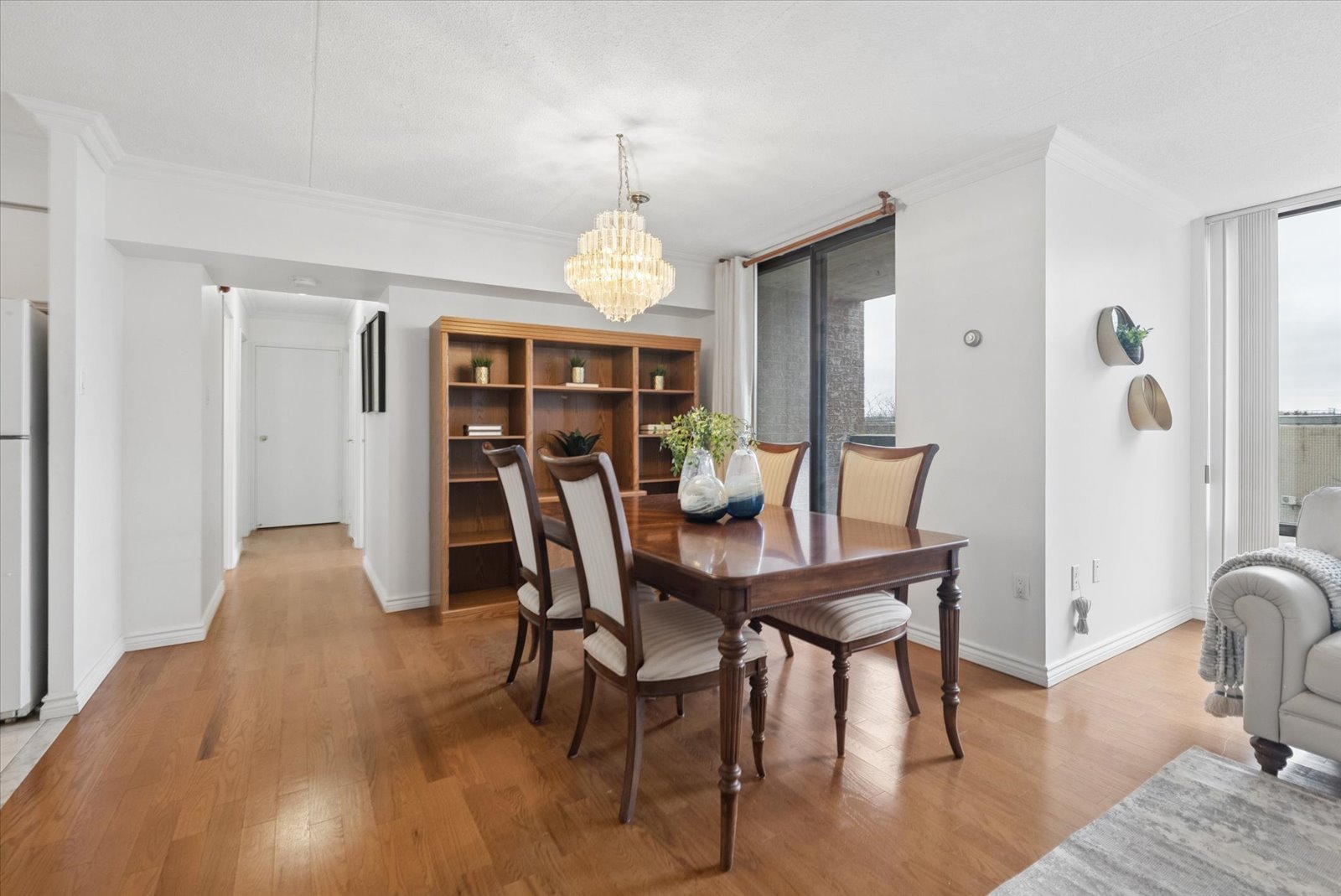
Here we used the same dining set, only used 4 chairs, repositioned the table & also moved a large bookcase out of the entry and put it in the living room. All the furniture was the owners, just re-positioned with some new accessories.
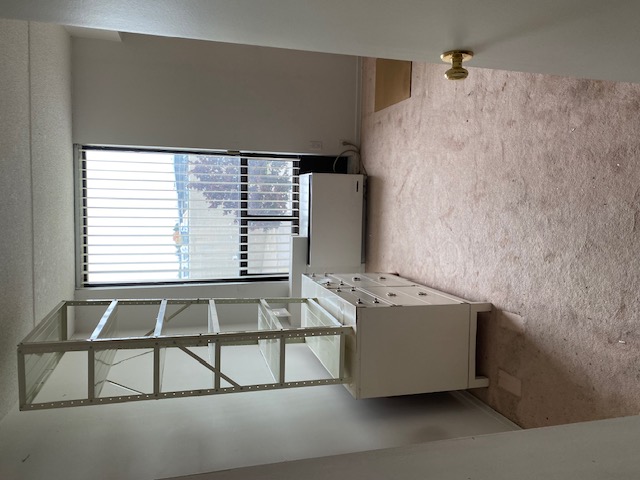
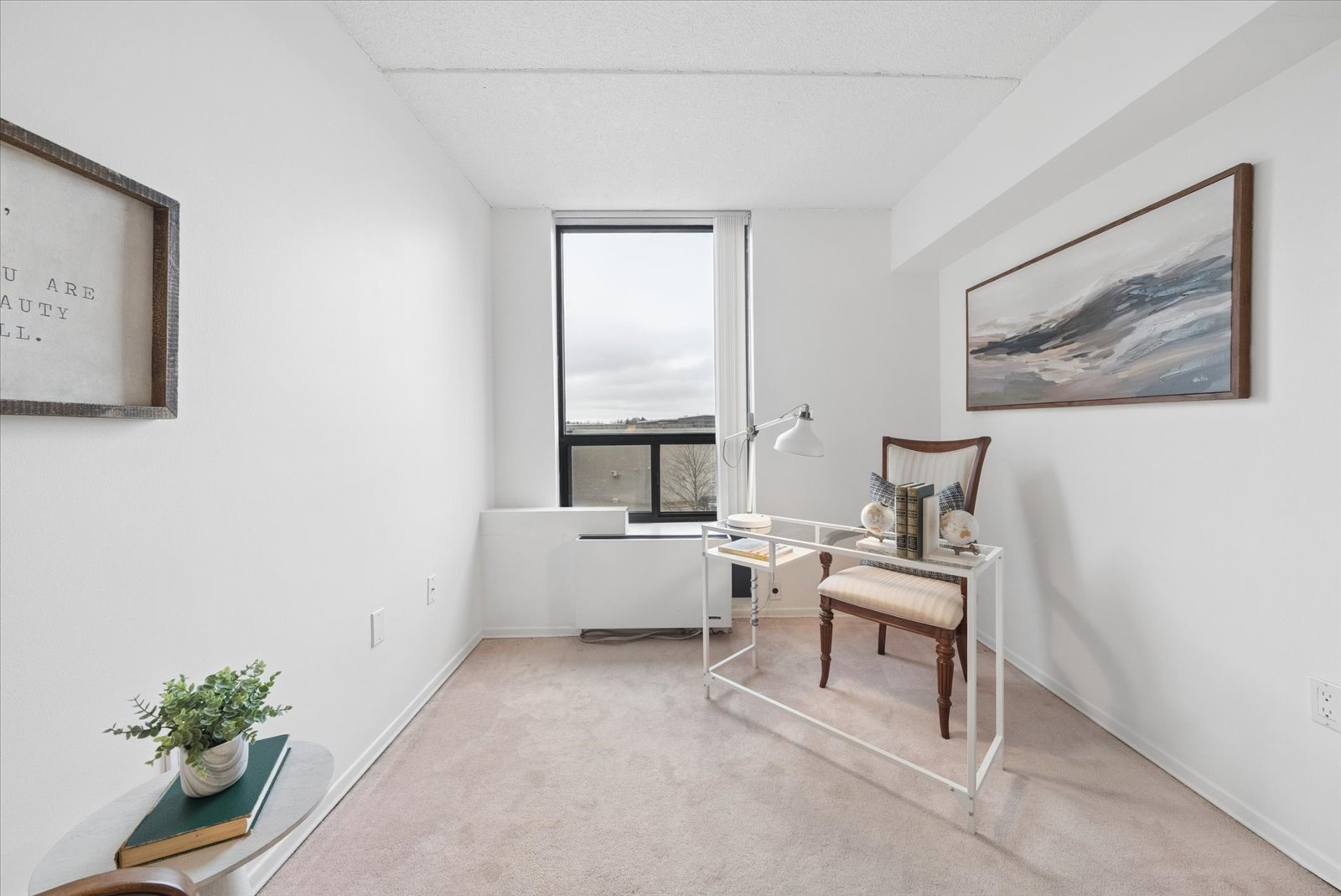
And finally, for the smallest bedroom we staged it as an office, using the extra dining set chairs and bringing in new art & accessories. In this condo there were no overhead lights in the bedrooms, so I am careful that there are some strategically placed lamps for evening showings.
The result? A sale in the first week on market.
The Bottom Line
In a buyer’s market, perception is reality. Staging isn't about "hiding" a home; it’s about **uncovering** its true potential. It creates an emotional connection that logic alone can't provide, often leading to faster sales and firmer prices.
Want to see more transformations - check out my YouTube Channel:
Before and after tranformation
What does a home stager actually do?
Top 5 Budget Home Staging ideas
Other helpful links:
Retreat Home Staging my preferred Stagers
Professional De Cluttering & Organizing The Next Step Forward
Frequently asked questions about home staging:
These are the three questions I hear most often from homeowners who are preparing to list. They address the common concerns about cost, effort, and whether the investment truly pays off in the current Toronto market.
1. "Is staging really worth the investment in a slow market?"
It’s a fair question. When the market cools, many sellers want to save every penny. However, the truth is that staging becomes more important when buyers have more choices. In a slow market, "average" homes tend to sit, while "standout" homes attract the few active buyers. Staging helps your property look like the best value at its price point, often preventing the need for a much larger price reduction later on. It’s about spending a little now to protect your equity.
2. "Do I have to move all my own furniture out to stage my home?"
Not necessarily. A professional staging designer can often work with your existing pieces—this is known as "partial staging." They might suggest moving a few bulky items into storage to improve the flow, then "layering in" modern accessories, rugs, and art to give the space a fresh, designer feel. The goal isn't to change who you are, but to show the house in its most spacious and functional light.
3. "Can't I just show the house empty and let buyers use their imagination?"
The challenge is that most people actually struggle to visualize how a space functions when it’s empty. Without furniture, buyers can't tell if their dining table will fit or where the best spot for a home office is. Empty rooms also highlight every small imperfection on the floors or walls. Staging provides the scale and "emotional warmth" that turns a cold building into a home someone can actually picture themselves living in.
More questions? Call me at 416-562-5002




