Why Retire at Wilmot Creek?

What Is Wilmot Creek?

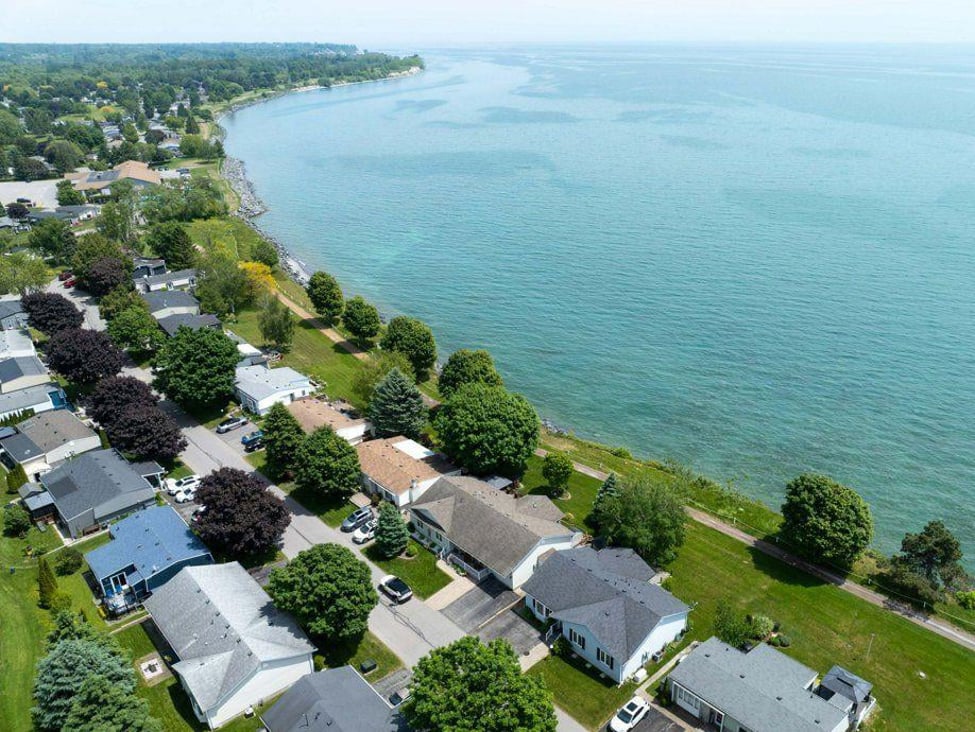
Wilmot Creek is a popular 55+ adult lifestyle community in Newcastle, Ontario, part of Clarington on the beautiful shores of Lake Ontario. Known for its resort-style amenities and active retirement living, this gated neighbourhood features over 1,000 homes, many social clubs, activities galore  and a welcoming, close-knit atmosphere.

At the heart of Wilmot Creek is a  9-hole golf course and a large recreation centre, making it one of the most sought-after active adult communities near Toronto. Homes are situated on leased land, with monthly fees covering utilities, amenity access, landscaping, and snow removal—providing a truly maintenance-free lifestyle.  Read more about how that works when you're purchasing below in the "Buying in Wilmot Creek" section

The community is gated for security and privacy, with a calm, golf-cart-friendly environment (yes—residents often cruise around in their golf carts!). Roads inside Wilmot Creek are limited to 30 km/h, adding to its safe and relaxed atmosphere. 

Recreation & Amenities at Wilmot Creek

One of the main reasons people choose to buy a home in Wilmot Creek is the incredible range of amenities and activities designed for an active, social, and wellness-focused retirement lifestyle**:

Highlights include: 

Golf: 9-hole course steps from your front door

Swimming: Two outdoor pools and an indoor pool

Sports courts: Tennis and pickleball

Fitness & activities: Gym, large event hall, woodworking shop, craft rooms

Lifestyle features: Dog run, community gardens, waterfront walking trails

Social clubs: Arts & crafts, gardening, photography, and much more

Events: Bingo, dances, live shows, movies, potlucks, and card nights

At Wilmot Creek, there’s always something happening—whether you want to stay active, meet new friends, or simply relax by the water.
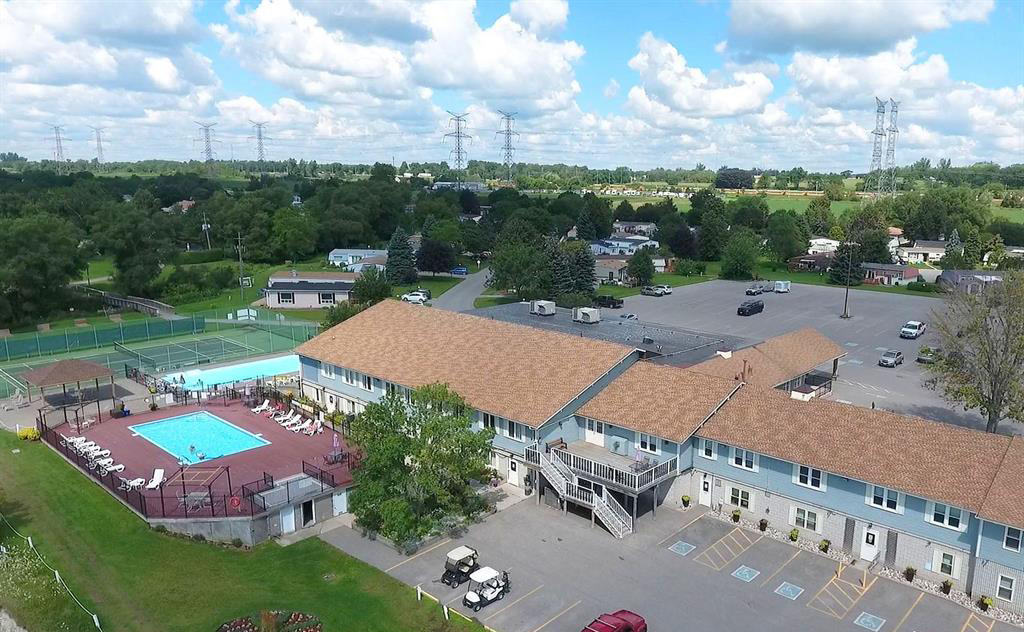
The recreation centre - the heart of Wilmot Creek


Location & Surroundings

Wilmot Creek enjoys a prime location in Newcastle, Ontario, just east of Bowmanville and less than an hour from Toronto. With easy access to Highway 401, residents can quickly reach Durham Region, the GTA, or the Kawarthas for weekend getaways.

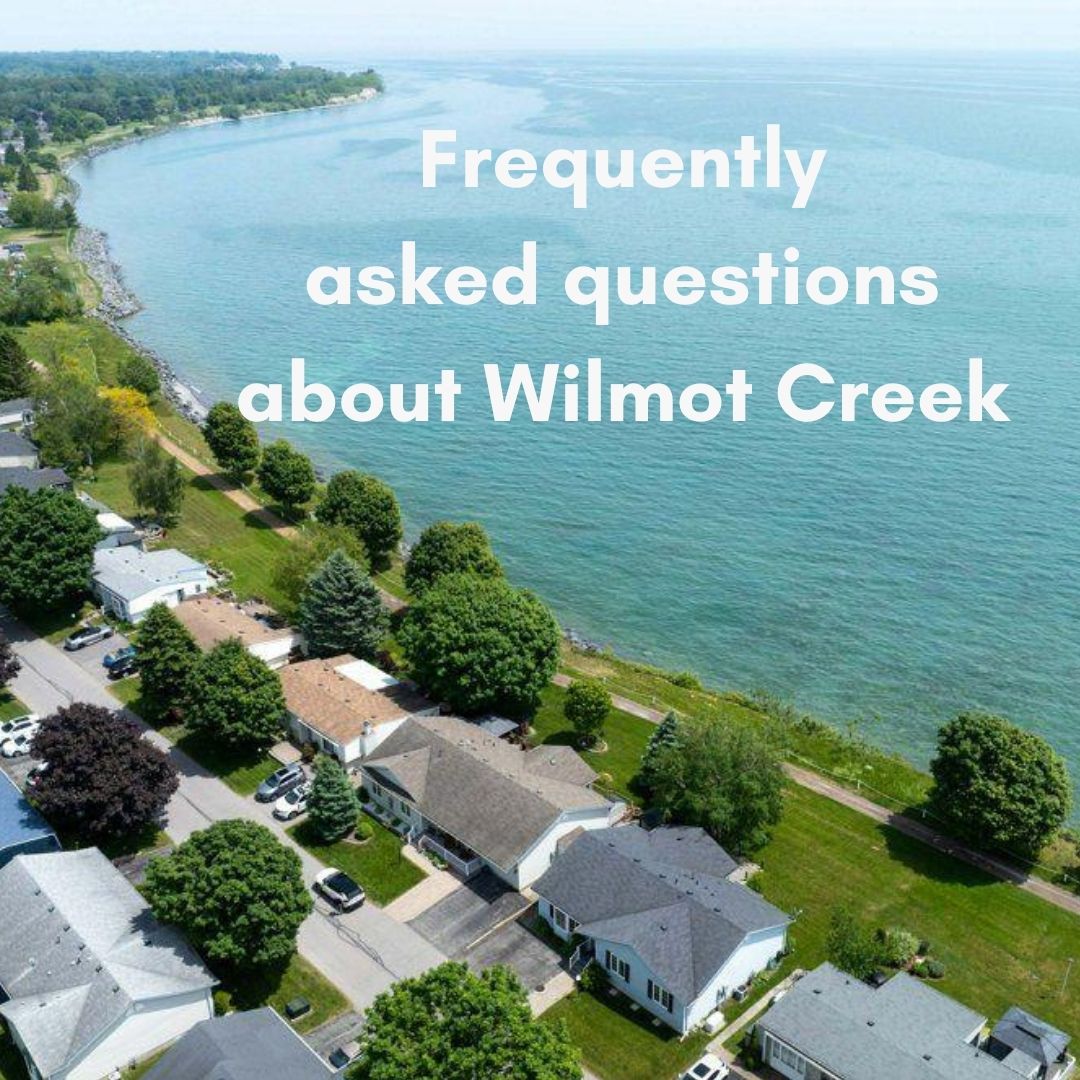
Many of the homes, along with the golf course and recreation complex, feature stunning Lake Ontario views—a rare feature that makes Wilmot Creek one of the most desirable retirement communities in Ontario.
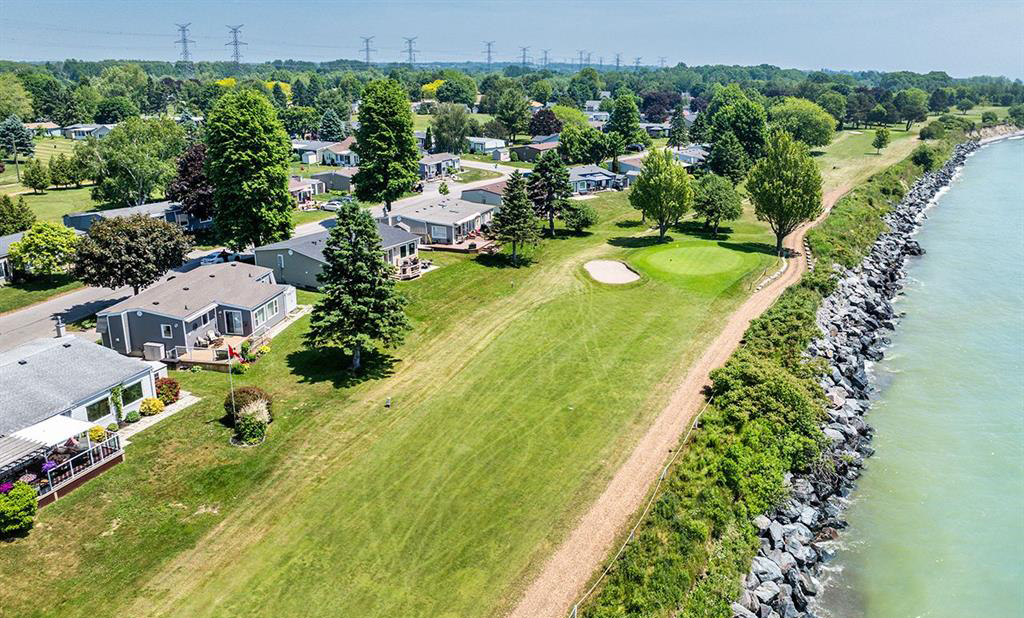
Many homes have beautiful Lake Ontario views


Homes in Wilmot Creek

What Types of Homes Are Available at Wilmot Creek? Homes in Wilmot Creek are bungalows, designed for comfort and convenience of one level living.   Floorplans typically feature open living spaces, single-floor layouts, and low-maintenance designs that suit a relaxed retirement lifestyle. 

Older homes in the community are built without a traditional basement; newer builds have a full foundation and some also have garages.  Over time some homes have been renovated, others are in what is called 'original condition'.  Homes here range in age from 1987 - recently built.  Here are some pictures to give you an idea of the styles:
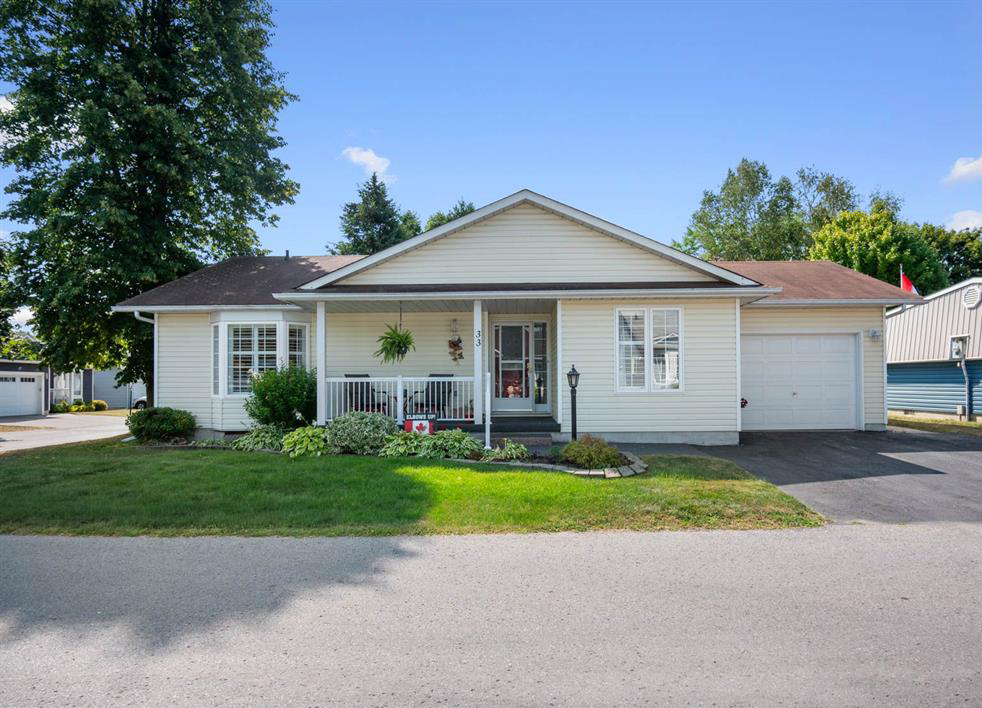
Bungalow with Garage & Full basement in Wilmot Creek
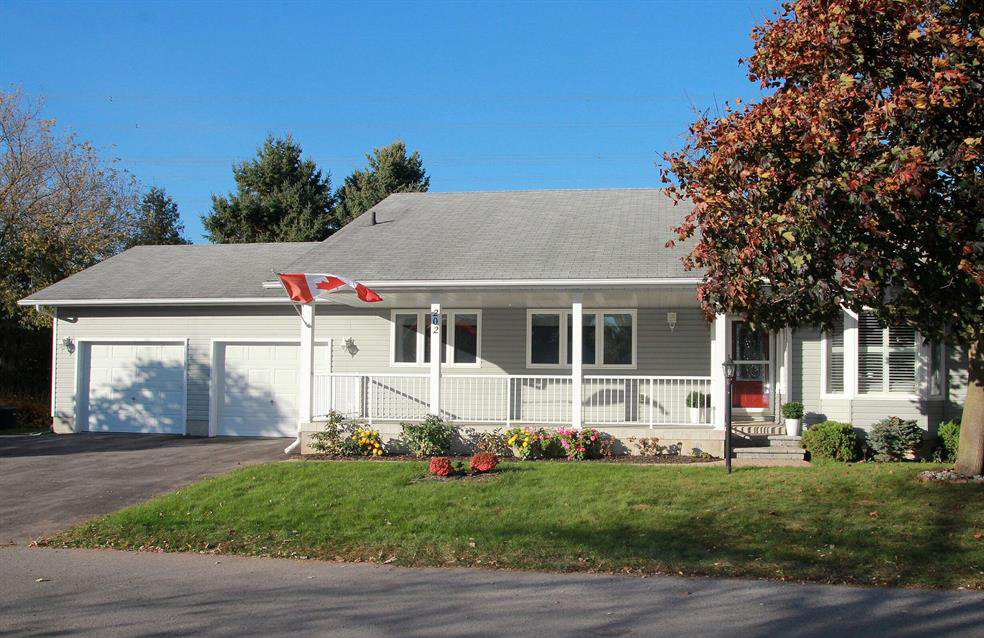
Bungalow with double garage in Wilmot Creek 
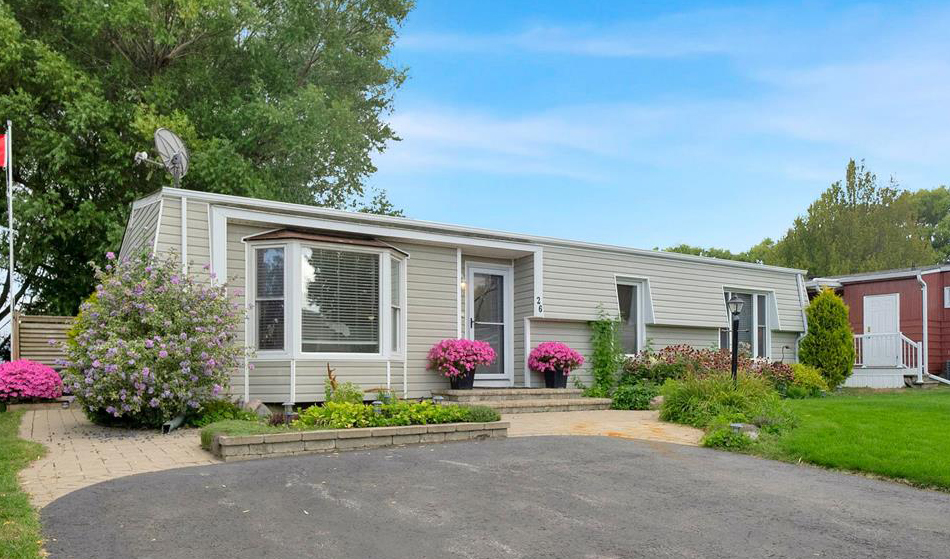
Example of older style of bungalow in Wilmot Creek 


Buying vs. Leasing Land: How Homeownership Works in Wilmot Creek

Unlike a traditional subdivision, Wilmot Creek homes are located on leased land.  Residents own their homes but lease the lot. Monthly fees cover land lease, amenities, groundskeeping, and services like snow removal—making life virtually maintenance-free.    Homes are bought and sold by homeowners just like any other freehold home.   

Any updates and repairs are made by the homeowner, as it's a freehold home, not a condo where there may be restrictions and rules on renovations. 

Wilmot Creek Homes for Sale: What Buyers Should Know

Homes for sale in Wilmot Creek vary in size and price, but all include access to the community’s exclusive amenities.  Because the neighbourhood is age-restricted (55+), it’s important to understand buyer eligibility and the community approval process before purchasing.

How much do homes cost in Wilmot Creek?

At the time I wrote this article, there are homes for sale from $328,000 - $748,000 prices vary depending on the age of the home, renovations, whether there is a garage or basement.  

Because you're buying a land lease home, you don't pay provincial land transfer tax, which is a great savings.  Also, property tax is bundled into your monthy fees!

I've created a special search for homes in Wilmot Creek;

Here is the link:

Homes for Sale in Wilmot Creek

Location & Surroundings

Where Is Wilmot Creek Located?

Wilmot Creek is located in Newcastle, Clarington, just east of Bowmanville south of Highway 401. Its convenient location offers quick access to the GTA while maintaining a peaceful lakeside setting. 

Residents have easy access to grocery stores, restaurants, medical services, and shopping in Newcastle, Bowmanville, and Oshawa. Day trips to Toronto, the Kawarthas, or Prince Edward County are also simple thanks to Wilmot Creek’s central location.

What residents love about living at Wilmot Creek

Security: Wilmot Creek is a **gated community**, which reduces outside traffic and enhances security. Roads within the neighbourhood have a **30 km/h speed limit**, and golf carts are a common and convenient way to get around.

Community: Ownership at Wilmot Creek is restricted to residents aged 55 and over Like many adult lifestyle communities, buyers must be **approved** to ensure the neighbourhood maintains its active adult focus.  And yes family and grandkids can visit! 

Friendly Community: Residents often describe Wilmot Creek as having a **resort-like feel with a small-town sense of community**. Neighbours know each other, social opportunities are endless, and the lifestyle is both active and relaxed.

Moving to Wilmot Creek

Pros and Cons of Living in Wilmot Creek:

Pros:

  • Resort-style amenities and clubs
  • Gated security and safe, friendly environment
  • Stunning Lake Ontario setting
  • Maintenance-free lifestyle with land lease fees covering services
  • Homes are reasonably priced
  • You own your own home and can make changes to it as you like
  • "lock up and go" if you love to travel or are a snowbird
  • Homes are bungalows, so no stairs, all your living is on one level


Cons:

  • Homes are on leased land, not owned lots
  • Community approval required for buyers
  • Resale rules may differ from traditional freehold homes

How to Buy or Sell a Home in Wilmot Creek

If you’re considering a move to Wilmot Creek, work with a real estate agent familiar with land-lease and 55+ communities.  Understanding the resale policies, monthly fees, and buyer eligibility requirements will help avoid surprises.  A seniors real estate specialist like me can also help you with selling and downsizing your existing home. 


Frequently Asked Questions About Wilmot Creek


Q: Where is Wilmot Creek located?

A: Wilmot Creek is in **Newcastle, Clarington, Ontario**, on the north shore of Lake Ontario, just east of Bowmanville and less than an hour from Toronto.


Q: Is Wilmot Creek only for retirees?

A: No, you don't have to be retired, but owners do have to be 55+. It’s designed for active adults and retirees who want a maintenance-free, resort-style lifestyle.

Q: Do you own the land at Wilmot Creek?

A: No, homes in Wilmot Creek are on leased land. Residents own their houses but pay a monthly land lease fee that covers utilities, grounds maintenance, and access to amenities.

Q: What amenities does Wilmot Creek offer?

A: Amenities include a **9-hole golf course, indoor and outdoor pools, tennis and pickleball courts, a fitness centre, hobby rooms, community gardens, waterfront trails, and over 100 social clubs and activities.**

Q: Do buyers need approval to purchase a home in Wilmot Creek?

A: Yes, buyers must meet the **55+ age requirement** and go through a community approval process before purchasing.

Q: How much are the monthly fees at Wilmot Creek?**

A: Monthly land lease and maintenance fees typically range around $1,300 per month at the time this article is published depending on the home and lot. These fees cover land rental, property tax, snow removal, groundskeeping, and access to amenities.

Q: Are pets allowed in Wilmot Creek?

A: Yes, Wilmot Creek is pet-friendly. The community even has a dog run and plenty of walking trails.

Q: What types of homes are available at Wilmot Creek?

A: Most homes are bungalow-style, single-floor layouts designed for convenience and comfort. Homes vary in size, features, and price, with many offering Lake Ontario views.

Thinking of moving to Wilmot Creek?  Here's how to get started:  Call me at 416-562-5002 or email me at:  [email protected]


Aug 28, 2025

Recent Blog Posts

Nov 10, 2026

Selling a Loved One's Home as an Executor or Power of Attorney: Where Do You Even Begin?

I know when this happened to me it was overwhelming - even as an experienced realtor, knowing where to start and where my responsibilities lay were confusing & on top of that it's a very emotional process!  Family dynamics can complicate the matter - although mine was smooth sailing; often family members don't get along, have differing opinions on a property value, different styles of moving through the process, different needs for inheritance funds - so navigating is exhausting! 

Whether you have been appointed Power of Attorney for an aging parent or are serving as the executor of an estate in Ontario, taking on the sale of a family home can feel overwhelming. Balancing family dynamics, legal requirements, and decades of accumulated belongings is no small task. Here is what you actually need to evaluate to navigate the process smoothly and protect the value of the home.

Author's note: this article is not meant to be legal advice, but written from a real-estate perspective.

1. Confirm your legal authority first

Before signing documents, hiring contractors, or listing the property, double-check that you have the proper legal paperwork in hand. For a Power of Attorney, ensure the document is active and grants real estate authority. A POA is only valid if the person is still living.

For an estate, you will most often need a probated will (or proof of probate application) before the property can officially close. Getting your lawyer involved early saves costly delays down the road. And there's a lesser-known "first dealings" caveat that could save your family thousands—you can call me and I'll walk you through it.

For example, a colleague of mine is working with a seller with this scenario:  The house is her Mother's home; the mother has passed away.  The mother named both herself and her sister as Estate trustees.  But it was worded unclearly.  The sister has also passed away -- without a will.    So does the remaining daugher have autority to sell the home?  That is something only a lawyer and/or the court can decide. 


2. Tackle the contents before the real estate

Moving or settling an estate home usually means dealing with 30 to 50 years of accumulated possessions. Avoid trying to do it all yourself in a single weekend. Start by identifying sentimental items for family members, then bring in professional estate auctioneers, donation services, or clean-out teams for the rest. Clearing the clutter first gives you a clear picture of what repairs or staging might actually be needed.

3. Decide between 'necessary repairs', 'updating', and 'renovating'

It can be tempting to fully update an older home to max out the price, but over-renovating an estate property may not get you a 1:1 return. Here's where a local realtor can advise you on market conditions and where to get the best ROI. Many families simply don't have the money for a major reno, so make sure to get professional advice at the outset.  If family members are collaborating,  there may be a difference of opinion - so that's also a good reason to bring in a local realtor for advice at the beginning. 

4. Vacant Toronto homes face unique risks

Check with the home insurance provider. Many insurers require a vacant home permit or mandate regular walkthroughs (often every 48 to 72 hours) to keep the policy valid. Ensure lawn care in the summer and snow removal in the winter are set up so the property stays safe, looks lived-in, and avoids municipal fines.

But what about the City of Toronto Vacant home tax?  Did you know that as long as the property is in the probate process or being sold you can avoid Toronto's Vacant Home Tax?  You need the property tax information to file your declaration on-line.


5. Price for the current market

Estate and POA sales carry a fiduciary duty to act in the best financial interest of the estate and beneficiaries. Often family may disagree on price. Asking for an objective, data-backed comparative market analysis helps set a fair market price that generates strong buyer interest without leaving money on the table.  

You'll need to do this up front, as there will be probate tax on the estate's total holdings (1.5% at time of writing in Ontario).  Real Estate may be the largest estate holding for the estate, and the estate tax implications may help you decide whether or not to renovate. 

This can be tricky if the family has differing opinions on value.  Or if you're dealing with a real estate agent that's not local.  In that case there are a few options to choose from:

  • pay for a formal appraisal
  • get 3 letters of opinion from different realtors and choose the average

Just understand if the price you get from the house is more than you've stated in your probate application or if the market improves between applying for probate & paying the probate fees you'll need to save money from the estate to pay the additional probate fees. 

6. Can I sell my deceased parent's house if there is no will in Ontario?

This happens more often than you may think. In this case, the closest next of kin must formally apply to the court for a Certificate of Appointment of Estate Trustee Without a Will. No bank, financial institution, or land registry office will let anyone sign documents, access accounts, or transfer real estate title until the court issues this certificate.  This is what happened to my colleage in the first question.

Here are 5 frequently searched questions and answers that address the most common roadblocks families face during executor and POA real estate sales:

FAQ's for selling a property under POA or as an Estate in Ontario

1. Q: Do we have to wait until probate is fully approved before putting a family home on the market?

A: You can list, market, and even accept a conditional offer on an estate property while the probate application is pending. However, the sale cannot legally close until the court issues the Certificate of Appointment. Building this timeline into your closing date avoids wasting valuable time.  Often there's a special clause we realtors insert into the offer to allow for a flexible closing date based on probate. 

There is one exception to this, and that's if the property falls under "First Dealings" - call me at 416-562-5002 and I can explain more about first dealings.  This saved a client $15,000 in probate tax this year! 


2.  Q: What is the difference between a Power of Attorney (POA) and an Executor when selling a home?

A:  A Power of Attorney for property only holds authority while the owner is alive, and that authority ends the absolute moment they pass away. An executor (or estate trustee) only gains authority after death. They never overlap, so verifying which document is active is always step one.


3. Q: Will doing a major modern update on an older family home guarantee a higher selling price?

A: Not necessarily. Over-renovating an estate property often fails to deliver a 1:1 financial return. Most estate homes benefit far more from a thorough clean-out, fresh paint, and targeted repairs that fix safety defects rather than costly, full-scale modernizations.  However in a soft market where prices are falling, updated homes sell faster than fixer-uppers.


4. Q: Are we covered if the family home is sitting empty while we sort through belongings and wait for a sale?

A: Standard home insurance policies typically become void or restrict coverage after 30 days of vacancy. You must notify your insurance provider immediately, as many policies require a vacant home permit or mandate physical walkthroughs every 48 to 72 hours to keep the policy active.   In some cases a family member may move in short term to ensure the security and insurance remains active on the home.  


5. Q: How do we sell a property if our parent or family member died without a will and their spouse is no longer living?

A: Dying without a will is called 'intestate' when there is no will, the closest next of kin must formally apply to the court for a Certificate of Appointment of Estate Trustee Without a Will. No financial institution, bank, or land registry office will permit anyone to sign transfer documents or access equity until the court officially issues this certificate. 


6. Q: When are probate fees due?

A:  Probate fees are due when you apply for the Certificate of Estate Trustee.  The fees come out of the estate funds.  If there are investments or bank accounts, the financial inistitution may release the funds to pay for the fees before the accounts are switched to estate accounts with limited access. 


7. Q: How long does the probate process take in Ontario? 

A:  This varies by jurisdiction, in bigger cities it may take 6 months, in smaller municipalities shorter.  Your lawyer can probably give you a good idea of how long it will take.  Just know that you can't look up the progress on line! 

Related articles:

Benefits of Home Staging a property

Before and After Home Glow-ups for modest homes

Clearing Decades of Stuff without having an nervous breakdown

Before you renovate, watch this first


Get in touch:  416-562-5002 [email protected]

...
Oct 29, 2026

Have you ever heard of a DiSC personality test?  Well this blog post is for all the high D's out there (read below for what this means)


My head was crunching numbers this week, especially given the interest rate hike of .25% yesterday & the election this week - with a promise to lift the land transfer tax.  What would all this mean for real estate in Scarborough?  So I thought I'd start out at the beginning and look at what's happening this year.  My objective is to look at the following data:

  1. How much has the median price changed vs. this time last year
  2. Current inflation rate
  3. How much are sales numbers up or down? (West Hill is a surprise)
  4. How many years does it take for house prices to double in south east Scarborough? 

Inflation rate with fuel: 3.1%  Without: 2%

What does this mean? BOC wants to hold inflation to 2%  Everythings expensive, now mortgage rates got more expensive; about $40-$50 per $500,000 per month

Change in Median Home Sale Prices south east Scarborough vs. Toronto 2026


Toronto1,230,0001,200,000-30,000-2.44
Centennial Scarborough1,100,0021,077,500-22,502-2.05
West Rouge1,100,0021,020,000-80,002-7.27
West Hill900,000830,000-70,000-7.78


What does this mean: house prices have dropped since 2025 same time frame.  Centennial follows the rest of Toronto, West Hill has the biggest swing.  But surprisingly West Hill has had an increase in sales - I guess the large price drop creates great value for buyers. 

Change in number of home sales south east Scarborough vs. Toronto 2026


Freehold HomesNumber of Sales 2025 2026 YTD 
Toronto9,4719,279
Centennial Scarborough9580
West Rouge8042
West Hill94107


What does this mean:  reflective of what I'm feeling right now - a slowdown in sales.  West Hill sale prices have dropped to be very attractive to buyers especially in that below $830,000 price range.  


How long does it take home prices to double in south east Scarborough?

This is a stat that came up in a meeting the other day - that house prices in Toronto double every 10 years - I think they mean freehold.  In southeast Scarborough here's when house prices have doubled: 

Centennial, Scarborough - doubled since 2012 (14 years)

West Rouge, Scarborough - doubled since 2015 (11 years) 

West Hill, Scarborough - doubled since 2016 (13 years) 

What is a DiSC personality test? 

A DiSC assessment is a behavioral assessment tool used to improve communication, leadership, and team performance by identifying four primary personality styles: Dominance, Influence, Steadiness, and Conscientiousness. Organizations worldwide use DiSC to develop stronger leaders, improve workplace communication, and build more effective teams.  A high "D" personality wants quick, fact-based answers (think CEO)

Interested in other real estate statistics for Scarborough?  Check out my other blog posts! 


...
1
2
3
...
56
